
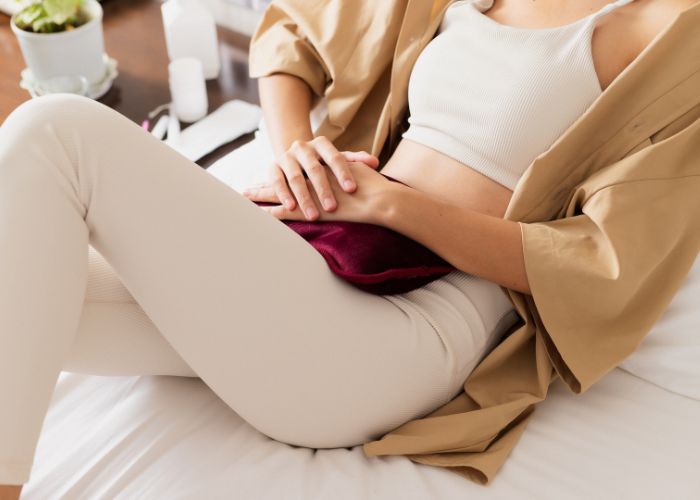
What Is Endometriosis, What Causes It and What Are The Treatment Options?
Throughout most of my adult life I have struggled with severe dysmenorrhea (menstrual pain) and persistent acne, both of which I later discovered were driven by endometriosis. That experience became the catalyst for a deep dive into the research and thus reshaped how I understand and approach women’s health entirely. Today I draw on both my personal journey and years of clinical experience to help other women find real, lasting relief through targeted nutritional and herbal medicine, alongside meaningful dietary and lifestyle change. So, what is endometriosis, what do we know about the causes and how it develops and are there any effective treatments?
What is endometriosis?
Endometriosis is a disease primarily affecting reproductive-aged women characterised by the presence of endometrial tissue growing outside of the uterus. It is a debilitating disease impacting the quality of life of these women. The primary symptom of endometriosis is chronic pelvic pain, other common symptoms include abnormal menstruation or an irregular menstrual cycle, acne, chronic fatigue, mood disorders, painful intercourse, gastrointestinal complaints, and infertility.
What Causes Endometriosis?
Conclusive evidence regarding the aetiology of endometriosis is lacking. It is important to note that although endometriosis is affected by hormones, it is not a hormonal condition, but instead an inflammatory immune disease. It is negatively affected by oestrogen but not caused by oestrogen. Immune dysfunction prevents the immune system from clearing up endometrial lesions and promotes the growth and invasion of those lesions.
Some factors associated with the increased risk of endometriosis include:
- Genetics
- Dietary and lifestyle factors
- Dysbiotic gut microbiome
- Immune disturbances
- Blood sugar dysregulation, involving hormone insulin
- Inflammation
- Mineral and heavy metal imbalances
- Poor hormonal health
I use a variety of functional pathology such as gut and hormone tests to determine the root cause of each case. This is not always required but it will allow us to ascertain exactly where our focus should be placed to treat the condition.
How can endometriosis be treated?
Surgical excision of the endometrial lesions is effective for both pain and fertility. Unfortunately, the lesions grow back within five years in more than 50% of women. Non-Steroidal Anti-Inflammatory Drugs (NSAIDs) and the Oral Contraceptive Pill (OCP) offer temporary symptomatic relief to some, but they do not heal the disease. Once the drug is removed, the endometriosis will likely return to its normal disease state.
Treatment of endometriosis should involve nutritional supplementation, herbal medicine, and dietary and lifestyle modifications, likely focusing on a selection of the following; improving immune function, gut repair, reducing inflammation, modulating hormones, correcting nutritional deficiencies, and alleviating associated symptoms. Amongst others, I have listed below 3 nutrients that I find myself frequently utilising in clinical practice for the treatment of endometriosis:
- N-acetylcysteine (NAC): a powerful anti-inflammatory that has been shown to significantly reduce pain. It has also been shown to reduce endometrial growth. I also use NAC as a gentle detoxifier.
- Iodine: due to its immune-modulating and anti-oestrogen effect. Iodine works by down-regulating oestrogen receptors and promoting healthy oestrogen metabolism, and stabilising oestrogen-sensitive tissue including the uterus, ovaries, breasts, and the brain.
- Turmeric: for its potent anti-inflammatory, antiproliferative and antioxidant effects. Turmeric reduces the activity and size of endometriosis lesions by reducing the inflammatory protein NF-kappa B, and by blocking oestrogen’s stimulating effect.
I recently treated a patient with both endometriosis and adenomyosis using a targeted combination of N-acetylcysteine (NAC), Palmitoylethanolamide (PEA), and magnesium as her primary therapeutic nutrients. NAC was selected for its anti-inflammatory, antioxidant, and gentle detoxifying properties. PEA was chosen for its powerful anti-inflammatory and analgesic effects (particularly valuable in conditions where chronic pelvic pain is a dominant feature). Magnesium was included to support the nervous system, ease muscular cramping, and provide additional anti-inflammatory support. At her follow-up appointment after 2 cycles, she reported a 50% reduction in overall pain, and on days where she would typically expect significant discomfort, she experienced none at all. She remains under my care, and we continue to refine her treatment plan in response to her evolving needs and progress.
FAQs About Endometriosis, Symptoms and Treatment Options
Endometriosis is a chronic inflammatory condition where tissue similar to the lining of the uterus grows outside the uterus. This tissue can cause inflammation, pain, scarring and adhesions, most commonly within the pelvis. Endometriosis can affect quality of life, menstrual health, digestive symptoms, energy levels and fertility.
Common symptoms of endometriosis include severe period pain, chronic pelvic pain, pain during or after sex, heavy bleeding, fatigue, bloating, bowel or bladder discomfort, lower back pain and difficulty falling pregnant. Symptoms vary significantly from person to person, and some people may have endometriosis without obvious symptoms.
The exact cause of endometriosis is not fully understood. It is considered a complex inflammatory condition influenced by factors such as genetics, immune function, inflammation, hormones, gut health and environmental factors. While oestrogen can influence the growth and activity of endometriosis lesions, endometriosis is not simply caused by “too much oestrogen”.
Endometriosis may be investigated through a review of symptoms, pelvic examination, ultrasound, MRI or laparoscopy. Current Australian guidance recommends transvaginal pelvic ultrasound as a first-line investigation when symptoms suggest endometriosis, with MRI sometimes used when deep endometriosis is suspected or ultrasound is not suitable.
Yes, endometriosis can affect fertility in some people, although many people with endometriosis are still able to conceive. Endometriosis may contribute to inflammation, scarring, adhesions, changes in egg quality or issues with the fallopian tubes and pelvic environment. If you have endometriosis and are planning a pregnancy, it is important to seek personalised medical advice.
No. While painful periods are one of the most common symptoms of endometriosis, not all period pain is caused by endometriosis. However, severe period pain that stops you from working, studying, exercising or taking part in normal daily activities should not be dismissed as “normal”. It is worth speaking with a qualified health professional if period pain is intense, worsening or affecting your quality of life.
Diet and lifestyle changes may help support inflammation, gut health, blood sugar regulation, hormone metabolism and overall wellbeing, all of which can be relevant for people with endometriosis. A personalised approach may include anti-inflammatory nutrition, adequate protein, fibre-rich foods, targeted nutrients, stress support and identifying individual food triggers. These strategies should complement, rather than replace, appropriate medical care.
Treatment for endometriosis may include pain relief, hormonal medications, surgery, fertility support and allied health care. Some people also benefit from nutritional medicine, herbal medicine, pelvic floor physiotherapy and lifestyle changes as part of a broader management plan. The most suitable approach depends on symptoms, severity, fertility goals, medical history and personal preferences.
Yes, endometriosis symptoms or lesions can return after surgery in some cases. Surgery can be very helpful for pain and fertility outcomes, particularly when performed by an experienced specialist, but it is not always a permanent cure. Ongoing management may be needed to reduce inflammation, manage pain, support hormone health and improve quality of life.
You should seek help if you experience severe period pain, persistent pelvic pain, pain during sex, heavy bleeding, bowel or bladder pain around your cycle, unexplained fatigue or difficulty conceiving. Early assessment can help you understand what may be driving your symptoms and what treatment or support options may be appropriate.
More about Amy Angus, Naturopath
I also have a special interest in the management and treatment of Adenomyosis, Poly-cystic ovarian syndrome (PCOS), Premenstrual syndrome (PMS) or premenstrual dysphoric disorder (PMDD), Amenorrhea, Dysmenorrhea and and gut health. My approach demands continuous research into the latest in traditional evidence-based medicine and other scientific research to ensure a holistic and patient-centred approach and long-term positive change. I am available for consultations at Perpetual Wellbeing (at Kenmore or online) on Monday, Wednesday, Thursday and alternating Saturdays.
If you’re struggling with the symptoms of endometriosis, book an appointment with me and let me help you navigate the causes and symptoms of your condition.
This post was first written in December 2023 and was updated on 8th June 2026.
We offer Naturopathy and Nutritional Medicine consultations
at 2 convenient locations, Brisbane CBD and Kenmore as well as online consultations.