
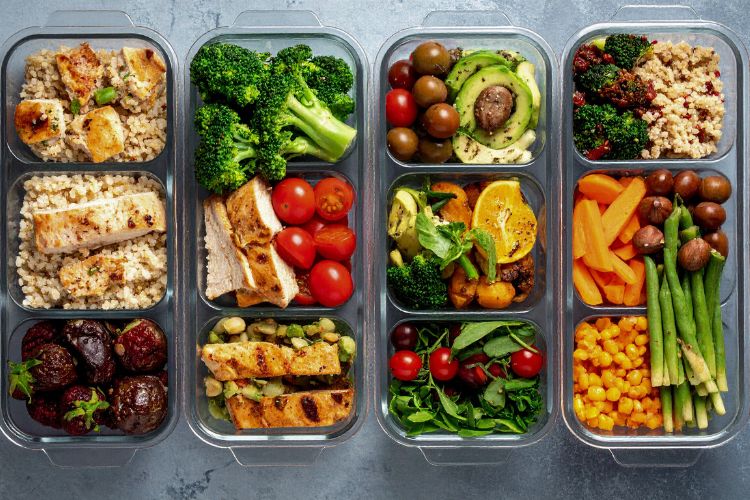
GLP-1 Diet: Foods to Include and Foods To Avoid
Are you taking GLP-1 medications for weight loss and wondering how to optimise your diet for the best results? You’re not alone. We’re seeing many individuals in Brisbane and beyond who are looking for ways to complement their GLP-1 therapy with a diet that ensures nutrient adequacy while promoting fat loss and preserving muscle. Medication on its own is not a magic fix. Without the right nutrition and lifestyle support, people can experience unnecessary side effects, nutrient deficiencies, muscle loss and weight regain once the drug is stopped.
At Perpetual Wellbeing, we see GLP-1 agonists as one possible tool within a broader, carefully managed health plan. A GLP-1 diet plan should focus on nourishing foods, stable energy, gut health and hormone balance so you can achieve healthy weight loss in a safe, controlled and sustainable way.
A healthy GLP-1 diet isn’t just about eating less; it’s about making smart food choices that align with the medication’s effects. This comprehensive guide will walk you through the foods to include and avoid, ensuring you achieve sustainable long-term results.
Key Takeaways
- GLP-1 medications work best when paired with a diet that enhances their appetite-suppressing effects
- Incorporating protein-rich and fibre-laden foods can optimise fat loss and muscle maintenance
- Avoiding sugar-laden and high-glycaemic foods is crucial for minimising side effects and maintaining stable blood sugar levels
- A balanced nutrient intake prevents deficiencies and supports overall health during weight loss
- Practical tips for social situations and dining out can help you stick to your diet without feeling restricted
What is GLP-1?
First things first, let’s explain what GLP-1 actually is. GLP-1 stands for glucagon-like peptide 1 and is a hormone produced in your gut in response to food. GLP-1 plays several important roles in blood sugar control and appetite regulation:
- It stimulates insulin release from the pancreas
- It reduces glucagon secretion (a hormone that raises blood sugar)
- It slows stomach emptying
- It sends signals to the brain that help you feel full and satisfied after eating
Because of these combined effects, the GLP-1 hormone is a key player in managing blood sugar, cravings and overall metabolic health.
Understanding its function helps appreciate its role in weight management, making it a key player in the battle against obesity. By grasping the basics of GLP-1, you can better understand how it supports your weight loss efforts and overall health.
Why the GLP-1 hormone matters for appetite and weight
When GLP-1 is released in healthy amounts, you are more likely to:
- Feel full with normal portions
- Experience fewer intense sugar cravings
- Have steadier blood sugar and energy levels
Research shows that people with type 2 diabetes or obesity often have lower GLP-1 levels or a reduced response to this hormone. This is one reason why they may struggle with hunger, overeating and weight gain.
A GLP-1 diet aims to support your body’s natural GLP-1 production through food and lifestyle, while also working alongside medication when prescribed.
What is a GLP-1 agonist?
A GLP-1 agonist (more precisely a GLP-1 receptor agonist) is a medication that mimics the effects of the natural hormone. Ozempic, Wegovy, and Mounjaro and other GLP-1 agonists are booming in popularity as tools for weight management and metabolic health. These drugs bind to the GLP-1 receptor and:
- Lower blood sugar by increasing insulin and reducing glucagon
- Slow gastric emptying
- Reduce appetite and food cravings
- Support clinically significant weight loss in many people
They are commonly prescribed for:
- Type 2 diabetes
- Obesity or overweight with weight-related health risks
Trials suggest GLP-1 agonists can reduce body weight by around 5 to 18 per cent on average, often with improvements in blood pressure, cholesterol and other cardiometabolic markers.
These medicines are powerful and effective, but they are not suitable for everyone and need medical supervision. What many don’t realise is that safely and effectively using – and eventually weaning off – GLP-1 medications requires a longer term nutritional plan. They also work best when combined with nutritional and lifestyle changes.
Developing a GLP-1 diet plan
Now let’s dive into what a healthy GLP-1 diet looks like. There is no single “official” GLP-1 diet, however, there are some broad nutritional principles that will complement your weight loss medications by focusing on foods that work in harmony with the hormone’s appetite-suppressing properties. So, if you’re serious about achieving long-lasting results, getting to grips with a good GLP-1 diet plan is a smart move.
Key Foods to Include for Optimising Fat Loss
GLP-1 medications make it easier to eat less. That can be incredibly helpful, but it also increases the risk that you eat too little protein, fibre and micronutrients and lose muscle along with fat. However, emerging research and clinical experience point towards a pattern that looks very similar to a Mediterranean style way of eating:
- Mostly whole, minimally processed foods
- Lots of vegetables and some whole fruits
- High fibre whole grains and legumes
- Regular intake of healthy fats from olive oil, nuts, seeds and oily fish
- Adequate lean protein at each meal
Within this framework, your diet should be tailored to your preferences, medical needs and any other health conditions.
Foods that increase GLP-1 naturally
Certain foods appear to support natural GLP-1 release and promote satiety. These include:
- Whole grains such as oats, barley and quinoa
- Eggs
- Nuts and seeds such as almonds, walnuts, pistachios, flaxseeds and chia
- Legumes such as lentils, chickpeas and beans
- High fibre vegetables such as artichokes, asparagus, broccoli and Brussels sprouts
- Fruits such as bananas and apples
Incorporating these foods that increase GLP-1 into your daily meals can enhance the benefits of your medication while supporting gut health and blood sugar.
Best sources of protein for weight loss on a GLP-1 diet
When your appetite is reduced, every bite needs to count. The best sources of protein for weight loss are nutrient dense, relatively lean and easy to digest:
- Fish and seafood such as salmon, tuna, white fish and prawns
- Skinless chicken or turkey in baked, grilled or stir fried dishes
- Eggs and egg whites
- Tofu and tempeh
- Greek yoghurt and cottage cheese (if you tolerate dairy)
- Legumes such as lentils, black beans and chickpeas
- High protein dairy alternatives fortified with calcium and vitamin D
Try to include some protein at every meal and snack to support muscle maintenance, fullness and stable blood sugar.
Healthy food to lose weight: what to put on your plate
A simple way to structure healthy food to lose weight while on a GLP-1 diet is to use the “balanced plate” approach:
- Half your plate: non starchy vegetables
- One quarter: lean protein
- One quarter: high fibre whole grains or starchy vegetables
- Plus a thumb sized portion of healthy fats (olive oil, avocado, nuts or seeds)
This creates healthy weight loss meals that are satisfying, nutrient rich and aligned with how GLP-1 agonists work in your body.
Foods to avoid or limit on a GLP-1 diet
Just as there are foods to include, there are certain foods you should steer clear of. While taking a GLP-1 agonist, some foods can worsen side effects or undermine your results. It is wise to minimise:
- Sugary drinks such as soft drinks, energy drinks, sweetened coffees and juices
- Refined carbohydrates such as white bread, pastries and many packaged cereals
- Ultra processed snacks such as chips, lollies and biscuits
- Very fatty or fried foods that can aggravate nausea and slow digestion further
- Large heavy meals, especially late at night
- Excess alcohol, which can affect blood sugar and gut health
If you are experiencing reflux, nausea or bloating, your practitioner may also suggest limiting very spicy foods, carbonated drinks and high fat takeaway meals. By avoiding these foods, you can minimise side effects and maximise the benefits of your GLP-1 therapy. It’s all about making informed choices that align with your health goals.
Balancing Nutrients to Prevent Deficiencies
While focusing on weight loss, it’s crucial not to overlook your nutrient intake. Balanced meals are essential to ensure you’re getting adequate vitamins and minerals. A diverse range of food choices can help prevent common deficiencies often seen in restrictive diets.
Omega-3 fatty acids support cardiovascular health and reduce inflammation. Calcium and vitamin D are crucial for bone health, especially when you’re losing weight. Regular blood tests can help monitor and address any potential nutrient gaps, making it easier to adjust your diet as needed.
Working with a nutritionist who specialises in supporting people on GLP-1 medications for weight loss can ensure you receive personalised guidance, ensuring your nutritional priorities align with your weight loss goals. After all, maintaining a balanced diet is key to long-term success and overall well-being.
Sample healthy weight loss meals while taking GLP-1
Here are some GLP-1 friendly meal ideas that tick the boxes for protein, fibre and healthy fats:
Breakfast
- Overnight oats made with rolled oats, Greek yoghurt, chia seeds, berries and a sprinkle of nuts
- Scrambled eggs with spinach, tomatoes and wholegrain toast
Lunch
- Quinoa salad with baked salmon, mixed leafy greens, cherry tomatoes, cucumber, avocado and olive oil dressing
- Lentil and vegetable soup with a side of wholegrain sourdough
Dinner
- Grilled chicken breast with roasted Brussels sprouts, carrots and sweet potato
- Stir fry tofu with broccoli, capsicum, snow peas and brown rice
Snacks
- Hummus with carrot and cucumber sticks
- A small handful of nuts and a piece of fruit
- Cottage cheese with sliced tomato and cracked pepper
These examples can be adjusted for your preferences, calorie needs and any allergies or intolerances.
How to maximise weight loss on GLP-1 medications
Here are key strategies to get the most from your GLP-1 therapy while protecting your long term health.
1. Prioritise protein to protect muscle
Research suggests that people losing weight on GLP-1 receptor agonists often fall well short of recommended protein targets, which can accelerate muscle loss. Adequate protein intake is vital for muscle repair and growth. Consuming frequent meals with consistent timing prevents muscle breakdown from prolonged fasting.
As a general guide, many adults aiming for fat loss may benefit from around 1.2 to 1.6 grams of protein per kilogram of body weight per day, split across meals.
This helps to:
- Maintain lean muscle mass
- Support metabolism
- Keep you full between meals
We list the best sources of protein for weight loss above.
2. Build healthy weight loss meals around plants and fibre
GLP-1 diets work best when your meals are rich in:
- Non starchy vegetables such as leafy greens, broccoli, carrots and capsicum
- High fibre carbohydrates such as oats, barley, quinoa, brown rice and legumes
- Whole fruits, particularly berries and apples
Studies show that high fibre diets and whole grains can increase natural GLP-1 secretion and improve blood sugar control.
Fibre also:
- Slows digestion
- Supports gut microbiome health
- Reduces constipation, which can be a side effect of GLP-1 agonists
3. Stay hydrated and manage side effects
Common side effects of GLP-1 agonists include nausea, constipation and feeling overly full. To minimise problems:
- Sip water regularly and aim for around 2 to 3 litres per day, unless your doctor advises otherwise
- Consider water rich foods such as soups, cucumbers and watermelon
- Start with smaller meals, eating slowly and stopping at the first sign of comfortable fullness
- Focus on softer, easy to digest foods if you feel unwell
4. Move regularly to support metabolism
While GLP-1 medications can drive weight loss on their own, combining them with movement and lifestyle support leads to more sustainable results and better health markers.
Aim for:
- Regular walking or low impact cardio
- Strength training two or more days per week to preserve muscle
- Gentle activities such as yoga or Pilates to support stress management and mobility
5. Get personalised guidance
Because GLP-1 medications change your appetite and digestion, it is easy to under-eat or repeat the same limited foods. A personalised nutrition plan can help you:
- Build satisfying, healthy weight loss meals
- Prevent micronutrient deficiencies (for example iron, calcium, vitamin D and magnesium)
- Manage side effects
- Plan for maintenance once you reduce or stop medication
Perpetual Wellbeing has a specialist GLP-1 Nutritionist to help you navigate these changes safely and sustainably alongside your prescribing doctor.
Practical Eating Tips for Sustainable Long-Term Results
Achieving sustainable long-term results requires practical eating habits. Meal planning is a game-changer, reducing the temptation to opt for unhealthy choices. Mindful eating practices increase your awareness of hunger and fullness cues, helping you make better food choices.
Portion control is another crucial aspect, allowing you to manage your calorie intake without feeling deprived. Including a variety of foods in your diet prevents dietary boredom and promotes adherence. Setting realistic goals encourages steady progress and boosts motivation.
By adopting these practical tips, you’ll find it easier to stick to your diet and achieve lasting success. It’s all about making small, manageable changes that fit into your lifestyle.
Frequently Asked Questions About GLP-1 & Diet
A diet complementing GLP-1 treatment should focus on balanced nutrition. Prioritise whole foods like fruits, vegetables, lean proteins, and whole grains. These foods help stabilise blood sugar levels and support weight management. Reducing processed foods, sugar, and unhealthy fats is also crucial. Opt for meals rich in fibre and low in calories to maximise GLP-1 efficacy. Staying hydrated and practising portion control can further enhance results.
To lose weight effectively on GLP-1 medications, combine them with a healthy lifestyle. Engage in regular physical activity and maintain a balanced diet rich in whole foods. GLP-1 medications can help reduce appetite, so listen to your body’s hunger cues and avoid overeating. Staying mindful of portion sizes and making nutritious food choices will support weight loss goals.
Eggs are a good source of protein and can indirectly support GLP-1 levels. Consuming protein-rich foods like eggs can enhance satiety and help manage appetite. While eggs themselves do not directly increase GLP-1, their role in a balanced diet can complement GLP-1 treatments. Incorporate them into meals for a nutritious option that supports weight management and metabolic health.
Several GLP-1 receptor agonists are effective for weight loss, including semaglutide and liraglutide. The best choice depends on individual health needs, preferences, and any pre-existing conditions. Consulting a healthcare professional is essential to determine the most suitable GLP-1 for achieving weight loss goals. They can provide personalised advice and monitor progress to ensure optimal results.
GLP-1 drugs begin to suppress appetite relatively quickly, often within a few days of starting treatment. The effect may vary among individuals based on factors like dosage and personal metabolism. As appetite decreases, it becomes easier to control portion sizes and reduce calorie intake, supporting weight loss efforts. Patience and consistency with the medication and lifestyle changes are key to achieving desired outcomes.
GLP-1 agonist drugs like Ozempic work by stimulating the GLP-1 receptor in the body, which helps increase insulin secretion, reduce glucagon release, slow down stomach emptying, and promote a feeling of fullness. This ultimately leads to better blood sugar control, weight loss, and improved overall health for individuals with diabetes.
When focusing on nutrition, the priorities should be to ensure a well-balanced diet that includes plenty of fruits, vegetables, whole grains, lean proteins, and healthy fats. It’s important to pay attention to portion sizes, drink plenty of water, and limit the intake of added sugars, salt, and processed foods. Remember to listen to your body’s hunger and fullness cues, and aim for consistency rather than perfection. Prioritising nutrient-dense foods will help support overall health and well-being.
When taking GLP-1 medications, it’s advisable to steer clear of high-fat foods, sugary treats, and large meals. These types of foods can interfere with the effectiveness of the medication and may lead to unwanted side effects. Instead, focus on a balanced diet with plenty of fruits, vegetables, lean proteins, and whole grains to help support your treatment plan. Remember to consult your healthcare provider for personalised advice on foods to avoid while on GLP-1 medications.
When should you seek extra support?
Maximising weight loss on GLP-1 medications requires a multi-faceted approach. Combining medication with a balanced GLP-1 diet plan enhances weight loss results, providing the nutrients your body needs to thrive.
GLP-1 medications can be a powerful reset, but they are most effective when combined with:
- Thoughtful nutrition and meal planning
- Support for sleep, stress, movement and hormones
- Long term strategies for maintaining your new weight
If you are:
- Unsure what to eat
- Experiencing side effects
- Worried about muscle loss or nutrient deficiencies
- Planning how to transition off your medication
it may be time to work with a practitioner who understands both GLP-1 therapy and functional health.
At Perpetual Wellbeing, we offer tailored GLP-1 Support, including nutritional guidance, pathology testing and lifestyle coaching, designed to complement your GP or specialist care.If you are currently using, or considering, GLP-1 medication and would like help with a safe, personalised GLP-1 diet, you are welcome to reach out to Perp
We offer Naturopathy and Nutritional Medicine consultations
at 2 convenient locations, Brisbane CBD and Kenmore as well as online consultations.